Dieser Artikel wurde ursprünglich auf Englisch veröffentlicht.
10 Schritte zur nachhaltigen Markeninnovation
Erlernen Sie die Schritte zu einer erfolgreichen Markeninnovationsstrategie mit der Sie relevant bleiben und Ideen in nachhaltige Markenwirkung überführen.


Was Unternehmen bauen, kann angefochten werden, und was sie anbieten, kann nachgeahmt werden, aber wie sie erlebt und in Erinnerung behalten werden, ist viel schwerer zu replizieren. Dies verleiht der Markeninnovation echtes Gewicht.
Gelingt es gut, hält Markeninnovation Marken relevant ohne das zu verlieren, was sie unverwechselbar macht.
Aber es gut zu machen, ist leichter gesagt als getan.
Das Problem ist selten ein Mangel an Ideen. Häufiger fehlt es an einem klaren, strukturierten Ansatz zur Markeninnovation.
Diese 10 Schritte bieten eine Struktur und zeigen einen klaren Weg zu einer erfolgreichen Markeninnovationsstrategie.
Wichtige Erkenntnisse
Markeninnovation beginnt mit Fakten, nicht mit Meinungen
Eine starke Markeninnovationsstrategie beginnt mit einem klaren Verständnis davon, wie Ihre Marke heute tatsächlich wahrgenommen wird. Ohne eine solide faktische Basis aus einem Markenaudit besteht das Risiko, dass Innovationsentscheidungen durch interne Vorurteile statt durch wirkliche Einblicke getroffen werden.Richtung ist genauso wichtig wie Kreativität
Eine klare Markenambition zu definieren, gibt der Innovation Zweck und Fokus. Wenn Teams verstehen, wie sich die Marke entwickeln soll und welche Rolle die Innovation spielen sollte, werden Ideen kohärenter, abgestimmter und kommerziell relevanter.Relevanz kommt vom Lösen echter Kundenprobleme
Die wirksamsten Markeninnovationen sprechen echte Kundenbedürfnisse und Frustrationen an, nicht abstrakte Ambitionen oder Trends. Wenn Innovation in echten Spannungen verankert ist, stärkt sie die Markenbedeutung und liefert einen Wert, der den Menschen wirklich wichtig ist.Testen und Skalieren bestimmen den langfristigen Einfluss
Die Ausführung, nicht die Ideenfindung, ist der Ort, an dem der Markenwert letztlich aufgebaut wird, oder verloren geht. Marken benötigen disziplinierte Wege, um Konzepte zu testen, schnell zu lernen und das zu skalieren, was funktioniert, ohne die Kohärenz zu verlieren.Systeme machen Markeninnovation zu einer wiederholbaren Fähigkeit
Nachhaltige Markeninnovation erfordert Struktur, Sichtbarkeit und kontinuierliches Lernen. Die Innovationssuite von rready unterstützt dabei umfassend, indem sie Organisationen hilft, fokussierte Ideen zu sammeln, zu validieren, erfolgreiche Konzepte zu skalieren und den Einfluss zu messen, sodass Markeninnovation dort Leistung zeigt, wo sie am wichtigsten ist.
Schritt 1: Durchführung eines Marken-Audits zur Etablierung einer faktischen Basis
Entscheidungen zur Markeninnovation sind nur so gut wie die Daten, die hinter ihnen stehen.
Ohne ein klares, gemeinsames Verständnis davon, wie Ihre Marke heute wahrgenommen wird, verwandelt sich Innovation schnell in Meinung, Instinkt oder interne Voreingenommenheit.
Deshalb sollte der erste Schritt in jeder Markeninnovationsstrategie ein Marken-Audit sein: um eine faktische Grundlage festzulegen, bevor entschieden wird, was geändert, erweitert oder neu erfunden werden soll.
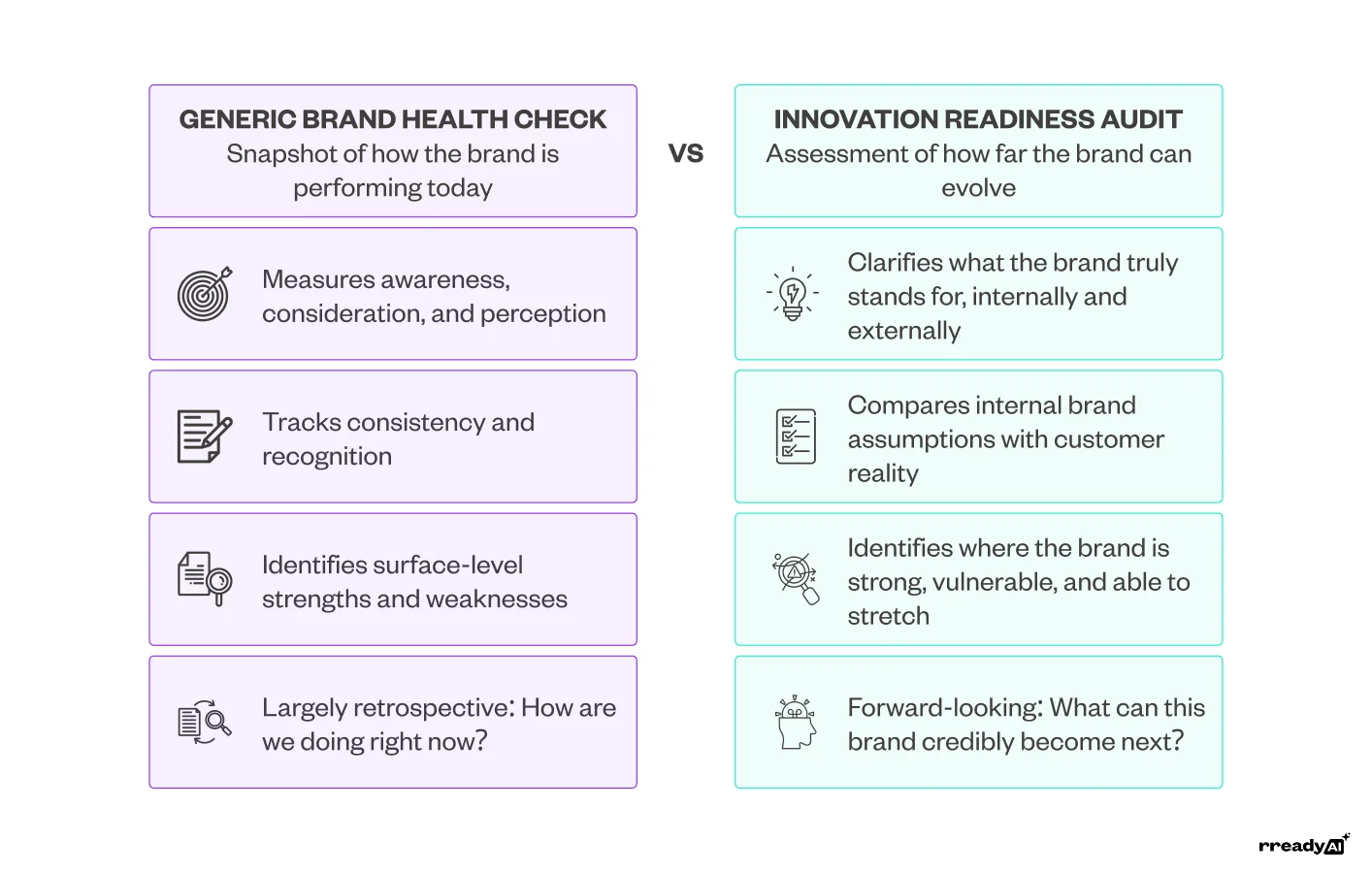
Es sollte Ihnen helfen, zu klären, wofür Ihre Marke steht, wo sie stark ist und wie weit sie realistisch dehnbar ist. Diese wertvollen Daten können Sie erheben durch:
Vergleich interner Markenannahmen mit der externen Realität durch Kundenforschung und Social Listening
Mapping von Markenstärken, die Kunden aktiv mit Ihnen verbinden, gegenüber Schwächen, die sie bemerken oder tolerieren
Identifizierung früherer Innovationen, die die Marke gestärkt haben, und diejenigen, die Verwirrung stifteten
McDonald's ist ein großartiges Beispiel dafür.
Der Fast-Food-Gigant hat die Weiterentwicklung seines Menüs und seiner Ladengestaltung auf einem klaren Verständnis dessen verankert, was Kunden und Kundinnen an der Marke schätzten und was sie bereit waren, sich weiterzuentwickeln.
Schritt 2: Klare Markenvision für Innovation definieren
Klarheit steht auch bei einer effektiven Markeninnovationsstrategie im Mittelpunkt, aber diesmal geht es um Richtung.
Die gesammelten Daten sollten eine klare Vision formen, wie sich die Marke im Laufe der Zeit entwickeln muss.
Diese Vision übersetzt dann Purpose, Vision und Positionierung in Innovationsabsicht und gibt den Teams eine gemeinsame Richtung für die Zukunft der Marke.
Purpose spielt dabei eine zentrale Rolle: Globale Studien zeigen, dass Verbraucherinnen und Verbraucher vier- bis sechsmal eher von zweckorientierten Unternehmen kaufen, sie schützen und fördern, was die Markenambition kommerziell relevant macht.
Patagonia demonstriert dies in der Praxis.
Seine Reparaturprogramme, recycelten Materialien und Wiederverkaufsinitiativen entspringen alle einer langfristigen Ambition, die in Umweltaktivismus verwurzelt ist und dauerhafte Markenloyalität über kurzlebige und profitorientierte Neuerfindungen stellt.
Schritt 3: Innovation in realen Kundenspannungen verankern
Entscheidend ist, zu verstehen, was Vision in der Praxis tatsächlich bedeutet. Sie sollte kein abstrakter Masterplan sein, der losgelöst von den Menschen existiert, für die die Marke geschaffen ist.
Markeninnovation wirkt nur dann, wenn sie reale Kundenspannungen adressiert: unerfüllte Bedürfnisse, Frustrationen und Erwartungen, die Kundinnen und Kunden im Alltag erleben – sei es in Bezug auf Bezahlbarkeit, Nutzerfreundlichkeit oder den Zugang zu Inhalten, etwa durch Hilfsmittel wie einen Sprachübersetzer.
IKEA zeigt dies besonders deutlich.
Flatpack-Designs, Lösungen für kleine Wohnräume und Innenstadtformate basieren auf einem tiefen Verständnis zentraler Kundenspannungen rund um Kosten, Platzmangel und Zugänglichkeit. Damit stärkt IKEA konsequent sein Markenversprechen, gutes Design für viele Menschen zugänglich zu machen.
Schritt 4: Markt- und Kulturwandel vorwegnehmen
Die Vergangenheit zu verstehen ist notwendig, reicht jedoch nicht aus, um zukunftsfähige Innovationen zu steuern – insbesondere, da 65 % der Verbraucher und Verbraucherinnen erwarten, dass Unternehmen sich an ihre sich wandelnden Bedürfnisse und Präferenzen anpassen.
Deshalb ist es entscheidend, Veränderungen in Verhalten, Technologie und Kultur frühzeitig zu antizipieren. So können Marken proaktiv handeln, statt Erwartungen hinterherzulaufen, nachdem sie sich bereits verschoben haben.
Auch wenn sich die Zukunft nicht mit hundertprozentiger Sicherheit vorhersagen lässt, können Sie dennoch:
Suchverhalten und frühe Nachfragesignale beobachten, nicht nur Sozialstimmungen
Angrenzende Kategorien analysieren, die Erwartungen in Ihrer Branche verändern könnten
Mit einfachen Szenarien arbeiten, um zu testen, wie sich mögliche Entwicklungen auf Ihre Marke auswirken
Netflix ist ein hervorragendes Beispiel für vorausschauend getriebene Markeninnovation.
Der Wandel vom DVD-Verleih hin zum Streaming (und später zu eigenen Inhalten) basierte auf der Antizipation veränderter Sehgewohnheiten, nicht auf der Reaktion auf bestehende Nachfrage. Dadurch definierte Netflix die Marke neu: rund um Auswahl, Bequemlichkeit und Kontrolle.
Schritt 5: Markeninnovation durch menschliche Emotion führen
Angesichts all der Daten, Trends und Signale, die in eine Markeninnovationsstrategie einfließen, gerät Emotion leicht in den Hintergrund. Doch Menschen interagieren nur selten ausschließlich aus funktionalen Gründen mit Marken.
Studien zeigen, dass emotionale Faktoren etwa 70 % der Kundenentscheidungen beeinflussen – und damit Präferenz, Loyalität und Weiterempfehlung maßgeblich prägen.
Deshalb sollte Markeninnovation nicht nur berücksichtigen, was eine Idee leistet, sondern auch, wie sie sich anfühlt.
Emotion fungiert dabei als Filter: Sie hilft Teams, jene Innovationen zu priorisieren, die echte Beziehungen aufbauen – statt bloßer Neuartigkeit ohne Bedeutung.
Dove verfolgt genau diesen Ansatz in der Markeninnovation.
Der langfristige Fokus auf „echte“ Schönheit basiert auf emotionalen Einsichten wie Selbstwertgefühl und Authentizität – nicht allein auf Produktleistung.
Um Emotionen in die Markeninnovation einzubeziehen, sollten Sie:
das emotionale Wirkungsfeld definieren, das Ihre Marke besetzen möchte
Konzepte auf emotionale Resonanz testen, nicht nur auf Nutzbarkeit oder Performance
Teams frühzeitig Raum geben, für expressive, menschenzentrierte Ideen
Schritt 6: Festlege wo innoviert wird (und wo nicht)
Mit dieser Grundlage tritt die Markeninnovation in die Entscheidungsphase ein.
Ziel einer Markeninnovationsstrategie sollte es nicht sein, jede mögliche Chance zu verfolgen, sondern sich bewusst auf jene wenigen zu konzentrieren, die für die Marke den größten Mehrwert bieten. So lassen sich Ressourcen gezielt einsetzen und Streuverluste vermeiden.
Die folgende Tabelle zeigt die zentralen Innovationsfelder und wann sie aus Markensicht jeweils am wirkungsvollsten sind:
Innovationsbereich | Was wird verändert | Auswirkung auf die Marke | Wer hier innovieren sollte |
Customer Experience | Interaktionen, Journeys und Touchpoints | Prägt, wie die Marke im Alltag erlebt wird | Marken, die über Erlebnis, Zugänglichkeit oder Einfachheit konkurrieren |
Produkte oder Dienstleistungen | Funktionen, Formate oder Servicemodelle | Stärkt Glaubwürdigkeit und Nutzen | Marken, die durch Leistung oder Qualität definiert werden |
Geschäftsmodell | Preisgestaltung, Vertrieb oder Zugangsmöglichkeiten | Signalisiert Relevanz und Modernität | Marken mit sich wandelnden Kategorieerwartungen |
Purpose oder Impact | Materialien, Beschaffung oder Wirkungsversprechen | Baut Vertrauen und emotionale Bindung auf | Marken, bei denen Purpose Teil der Identität ist |
Digitale Ökosysteme | Plattformen, Daten und vernetzte Erlebnisse | Stärkt Kontinuität und Loyalität | Marken mit hohem Bedarf an kontinuierlichem Engagement |
Partnerschaften und Communities | Kooperationen, Co-Creation oder Community-Rollen | Erweitert Bedeutung und Reichweite | Marken, die von Ökosystemen oder Beteiligung profitieren |
Nike veranschaulicht diesen Fokus sehr gut.
Die konsequenten Investitionen in Performance, Athlete Experience und digitale Ökosysteme sorgen dafür, dass Innovation stets mit dem Markenkern im Einklang bleibt.
Schritt 7: Eine breite Palette markenrelevanter Ideen entwickeln
Sobald klar ist, wohin sich die Marke entwickeln soll, stellt sich die Frage nach dem Weg dorthin. Die Antwort beginnt mit Ideen.
An dieser Stelle ist es sinnvoll, bewusst viele Ideen zu fördern – denn sie sind nun in einer klaren Markenausrichtung verankert. Quantität stärkt die Markeninnovationsstrategie, da Teams Ideen vergleichen, kombinieren und weiterentwickeln können, statt sich zu früh festzulegen.
Ideen können aus unterschiedlichen Quellen stammen, unter anderem von:
Kundinnen und Kunden
Mitarbeitenden an der Front
Externen Partnern
LEGO ist ein starkes Beispiel für gelungene Kunden-Co-Creation.
Die Marke bezieht ihre Fans aktiv in den Ideenprozess ein – ein logischer Ansatz für eine Marke, deren Kern Kreativität ist.
n der Praxis entstehen die wirkungsvollsten Ideen jedoch häufig innerhalb der Organisation selbst.
Brand-Innovation-Teams und Intrapreneure kennen Markenkontext, Rahmenbedingungen und Ambitionen genau und sind daher prädestiniert, originelle und zugleich markenkonforme Ideen zu entwickeln.
Um dieses interne Potenzial zu aktivieren, benötigen Unternehmen jedoch klare Wege, über die Mitarbeitende Ideen einbringen, weiterentwickeln und Verantwortung übernehmen können.
Das KICKBOX Intrapreneurship-Programm von rready ist hierfür besonders geeignet, um eine wiederholbare interne Innovationsmaschine für Markeninnovation aufzubauen.
Es kombiniert eine bewährte Intrapreneurship-Methodik mit einer skalierbaren Plattform, die den Einstieg für Ideeneinreichungen erleichtert und gleichzeitig Orientierung, Ressourcen und Unterstützung bietet, während sich Ideen weiterentwickeln.
ndem Innovation für Mitarbeitende im gesamten Unternehmen zugänglich gemacht wird, hilft KICKBOX dabei, individuelles Engagement in eine kontinuierliche, messbare Quelle markenrelevanter Ideen über verschiedene Branchen hinweg zu verwandeln.
Schritt 8: Ideen in testbare Konzepte übersetzen
Während es bei der Ideengenerierung um Breite geht, rückt in diesem Schritt Auswahl und Validierung in den Fokus.
Nicht jede gute Idee sollte weiterverfolgt werden – sie stärkt möglicherweise nicht die Marke, löst kein relevantes Kundenproblem oder rechtfertigt den notwendigen Investitionsaufwand nicht.
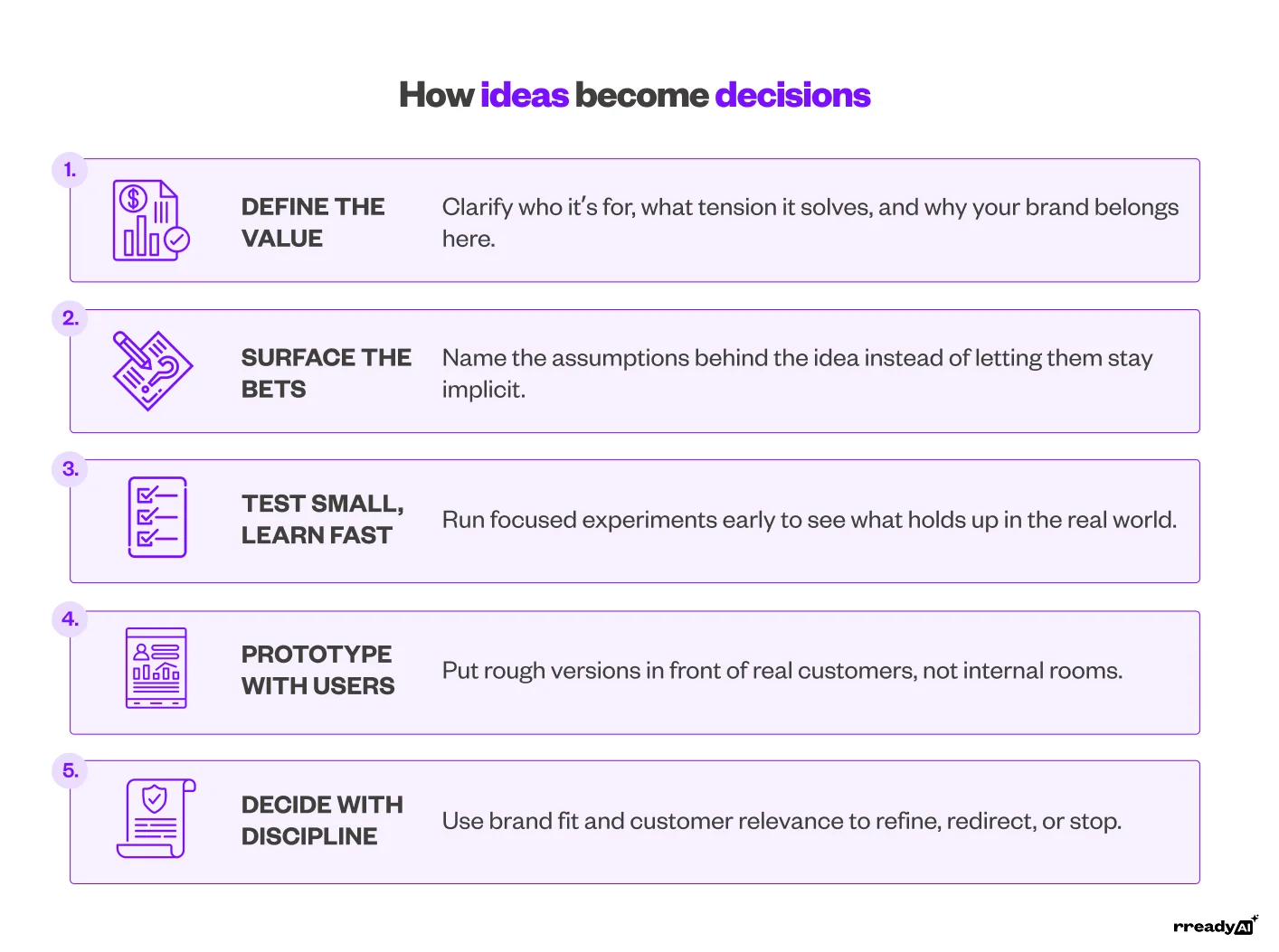
Deshalb müssen Ideen in testbare Konzepte übersetzt und anhand realer Erkenntnisse bewertet werden – nicht anhand von Meinungen. Das gelingt, indem Sie:
Ideen in klare Wertversprechen übersetzen (für wen, welches Problem, warum die Marke)
Annahmen explizit machen und frühzeitig kleine Experimente zur Überprüfung entwerfen
Schnell Prototypen entwickeln, und Feedback von echten Nutzerinnen und Nutzern einholen – nicht nur intern
Mit klaren Entscheidungsmeilensteinen arbeiten, um Ideen weiterzuentwickeln, neu auszurichten oder zu stoppen
Konzepte nach Markenfit und Kundenrelevanz filtern, nicht nur nach Begeisterung
Airbnb beherrscht diesen Ansatz meisterhaft.
Von Airbnb Experiences bis hin zu flexiblen Buchungsoptionen testet die Marke neue Konzepte konsequent, bevor sie skaliert werden. So verfeinert Airbnb kontinuierlich, wie es sein Markenversprechen von Zugehörigkeit und persönlicherem, flexiblerem Reisen einlöst.
Schritt 9: Innovation skalieren ohne die Marke zu verwässern
Studien zeigen, dass nicht die Ideengenerierung, sondern die Skalierung eine der größten Herausforderungen im Innovationsprozess ist.
Viele Organisationen scheitern daran, erfolgreiche Pilotprojekte in umfassende Programme zu überführen – denn dafür braucht es Disziplin, Abstimmung und Umsetzungkompetenz.
In diesem Schritt geht es darum, funktionierende Ansätze in ein wiederholbares Betriebsmodell zu überführen, das die Marke auch im Wachstum konsistent stärkt.
Um Innovation zu skalieren, ohne an Markenstärke zu verlieren, sollten Sie:
festlegen, was konsistent bleiben muss (z.B. Kernwertversprechen, Markensignale, Erlebnisprinzipien)
wiederholbare Umsetzungsmodelle schaffen, damit Ideen nicht jedes Mal neu erfunden werden müssen
Innovationen in bestehende Systeme einbetten, wie z.B. in Betriebsabläufe, Marketing und Governance
Teams mit klaren Richtlinien, Ressourcen und Entscheidungsbefugnissen für die Skalierung ausstatten
schrittweise skalieren und Reichweite nur dann ausweiten, wenn Performance, Adoption und Markenpassung bewiesen sind
Apples Innovationen sind ein Paradebeispiel für disziplinierte Skalierung.
Designprinzipien, Ökosystem-Logik und Umsetzungsstandards sind von Beginn an in Entwicklungs- und Launchprozesse integriert. Dadurch lassen sich neue Angebote weltweit konsistent ausrollen.
Schritt 10: Wirkung messen und kontinuierliches Lernen verankern
Lernen ist der Unterschied zwischen einem einzelnen erfolgreichen Launch und einem System, das dauerhaft Erfolge hervorbringt.
Um Markeninnovation wiederholbar zu machen, müssen Teams Wirkung konsequent messen und die gewonnenen Erkenntnisse für die nächsten Schritte nutzen.
Dazu gehört:
Geschäftsergebnisse nachverfolgen, wie Adoption, Umsatzbeitrag und Time-to-Scale
Markensignale wie Markenstärke, Bekanntheit und Wahrnehmungsverschiebungen zu messen
Kundenverhalten und -stimmung zu analysieren, um zu verstehen, wie Innovationen Erlebnisse und Loyalität beeinflussen
Ergebnisse regelmäßig zu überprüfen und Learnings in frühere Phasen zurückzuspielen – von der Fokussierung bis zur Ideenauswahl
Amazon lebt diesen Ansatz konsequent.
Indem Innovationsentscheidungen eng an Kundenmetriken und kontinuierliche Feedbackschleifen geknüpft werden, wird Lernen zu einer zentralen operativen Gewohnheit. So kann sich die Marke weiterentwickeln, ohne ihren Fokus auf Convenience und Kundenorientierung zu verlieren.
Wenn Markeninnovation gefragt ist, unterstützt rready
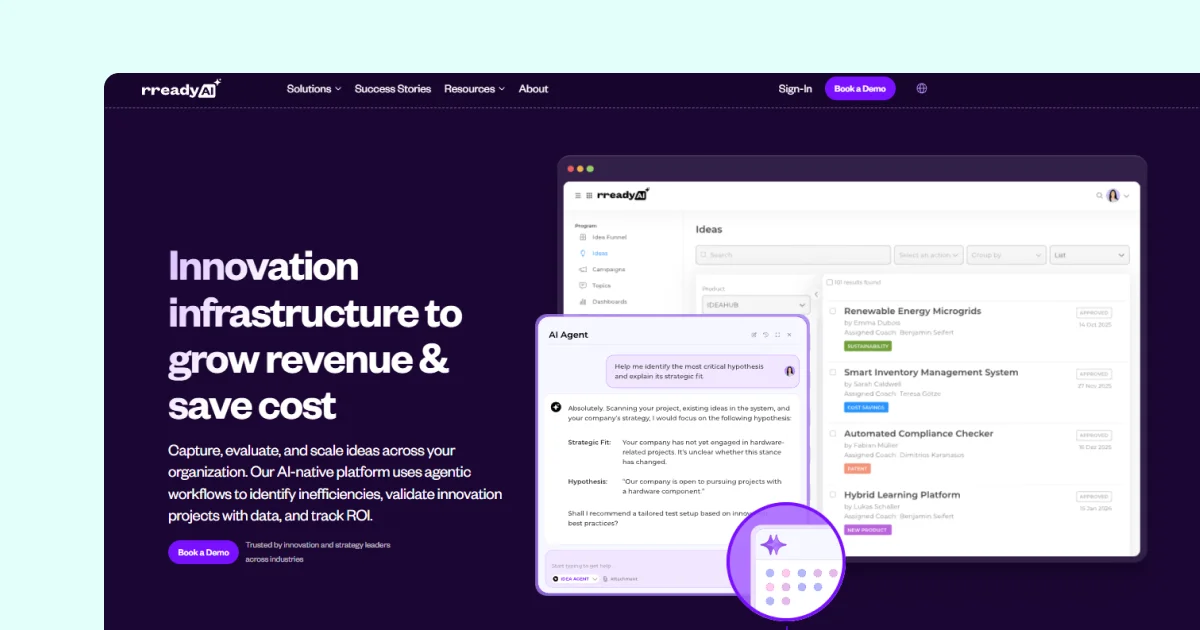
ine starke Markeninnovationsstrategie braucht die richtigen Systeme. Die Innovationsmanagement-Suite von rready bietet genau diese Unterstützung in den entscheidenden Momenten – wenn Ideen Struktur, Momentum und Umsetzungskraft benötigen.
rready Idea Management hilft Unternehmen dabei, markenrelevante Ideen in großem Maßstab zu sammeln, zu bewerten und zu steuern. Die Lösung ermöglicht strukturierte Ideensammlung, transparente Bewertung anhand klarer Kriterien, teamübergreifende Zusammenarbeit und datenbasierte Fortschrittsverfolgung.
Das KICKBOX Intrapreneurship Programm unterstützt den Übergang von der Idee zur Umsetzung, indem es Mitarbeitenden einen klar strukturierten Weg bietet, Ideen zu testen, zu validieren und durch definierte Phasen weiterzuentwickeln.
rready Innovation Management verbindet schließlich alles in einer End-to-End-Plattform – von der Ideensammlung über die Validierung bis zur Umsetzung – damit keine Chance auf dem Weg verloren geht.
Fordern Sie eine individuelle Demo an, und erfahren Sie, wie rready strukturierte, skalierbare Markeninnovation unterstützt – von der Idee bis zur Skalierung.

Mehr erfahren

8 Vorteile von Ideenmanagement-Software
Entdecken Sie die Vorteile von Ideenmanagement-Software: Ideen erfassen, Zusammenarbeit verbessern und Mitarbeiterideen in echten Geschäftserfolg umsetzen.

9 Methoden zur Ideenfindung für Unternehmen im Jahr 2026
Die besten Ideenfindungstechniken, um Kreativität zu fördern, Denken zu strukturieren und Ideen in umsetzbare Ergebnisse für Ihr Team zu verwandeln.

Finanzielle vs. nichtfinanzielle Anreize bei Innovationen
Erfahren Sie, wie finanzielle und nichtfinanzielle Anreize Innovation fördern und Mitarbeitende motivieren, Ideen einzubringen und engagiert zu bleiben.