Dieser Artikel wurde ursprünglich auf Englisch veröffentlicht.
8 Vorteile von Ideenmanagement-Software
Entdecken Sie die Vorteile von Ideenmanagement-Software: Ideen erfassen, Zusammenarbeit verbessern und Mitarbeiterideen in echten Geschäftserfolg umsetzen.


Ideenmanagement-Software ermöglicht es Ideen an einem Ort zu sammeln, zu organisieren und zu verwalten. Sie ersetzt verstreute Tools und informelle Prozesse.
Die Nutzung dieser Lösungen nimmt stark zu. Der Markt für Ideenmanagement-Software soll von 13,75 Milliarden US-Dollar im Jahr 2024 auf 26,5 Milliarden US-Dollar im Jahr 2032 wachsen.
Was steckt dahinter?
In diesem Artikel stellen wir die acht wichtigsten Vorteile von Ideenmanagement-Software vor. Sie zeigen, warum immer mehr Unternehmen solche wirkungsvollen Programme in ihren Workflow integrieren.
Wichtige Erkenntnisse
Zentralisierung ist die Basis für erfolgreiches Ideenmanagement
Ohne einen zentralen Ort gehen Ideen in verschiedenen Tools und Gesprächen verloren. Ein zentrales System stellt sicher, dass jede Idee erfasst, suchbar und zukünftig nutzbar bleibt.Strukturierte Bewertung macht aus Ideen Erfolge
Die größte Hürde ist nicht der Mangel an Ideen, sondern die Entscheidung, wie es damit weitergeht. Klare Workflows und Kriterien helfen Teams, schneller und konsistenter Entscheidungen zu treffen.Kollaboration und Sichtbarkeit sorgen für bessere Ideen
Ideen werden besser, wenn mehr Menschen daran mitwirken. Ein gemeinsamer Raum zum Diskutieren, Verfeinern und Priorisieren führt zu stärkeren Ergebnissen und verhindert Silodenken.Kontinuierliche Prozesse schlagen Einmal-Initiativen
Innovation entsteht nicht durch gelegentliche Workshops. Sie braucht stetigen Input, konsistente Abläufe und ein System, das Ideen im Fluss hält.Die richtige Software und Struktur sichern den Erfolg
Erfolgreiches Ideenmanagement braucht die passende Plattform, Struktur und die richtigen Anreize. Lösungen wie rready vereinen alles – von der Ideenerfassung bis zur Bewertung und Kollaboration. So erzielen Sie messbare Ergebnisse.
8 Vorteile von Ideenmanagement-Software für Ihr Unternehmen
Die Vorteile von Ideenmanagement-Software sind vielschichtig.
Hier sind acht Praxisbeispiele, die das verdeutlichen.
1. Keine verlorenen oder vergessenen Ideen mehr
Ohne ein dediziertes Ideenmanagementsystem versanden die meisten Ideen schnell.
Sie werden in Meetings besprochen, in Slack-Threads geteilt, gehen in E-Mails unter oder werden aufgeschrieben und vergessen. Da es keinen zentralen Speicherort gibt, ist eine Weiterverfolgung selten garantiert.
Ideenmanagement-Software ändert das. Sie bietet für jede Idee einen festen Platz.
Jede Einreichung wird erfasst, mit einem Zeitstempel versehen und ist leicht auffindbar. So entsteht ein durchsuchbares Archiv aller Vorschläge.
2. Keine isolierten Teams mehr
Zusammenarbeit klingt einfach – bis man sie über Teams, Tools und Zeitzonen hinweg organisieren muss.
Hier scheitert es oft: Jeder dritte Mitarbeiter klagt über eine schwache Zusammenarbeit. 54 % sagen, dass ineffiziente Prozesse die Teamarbeit aktiv behindern.
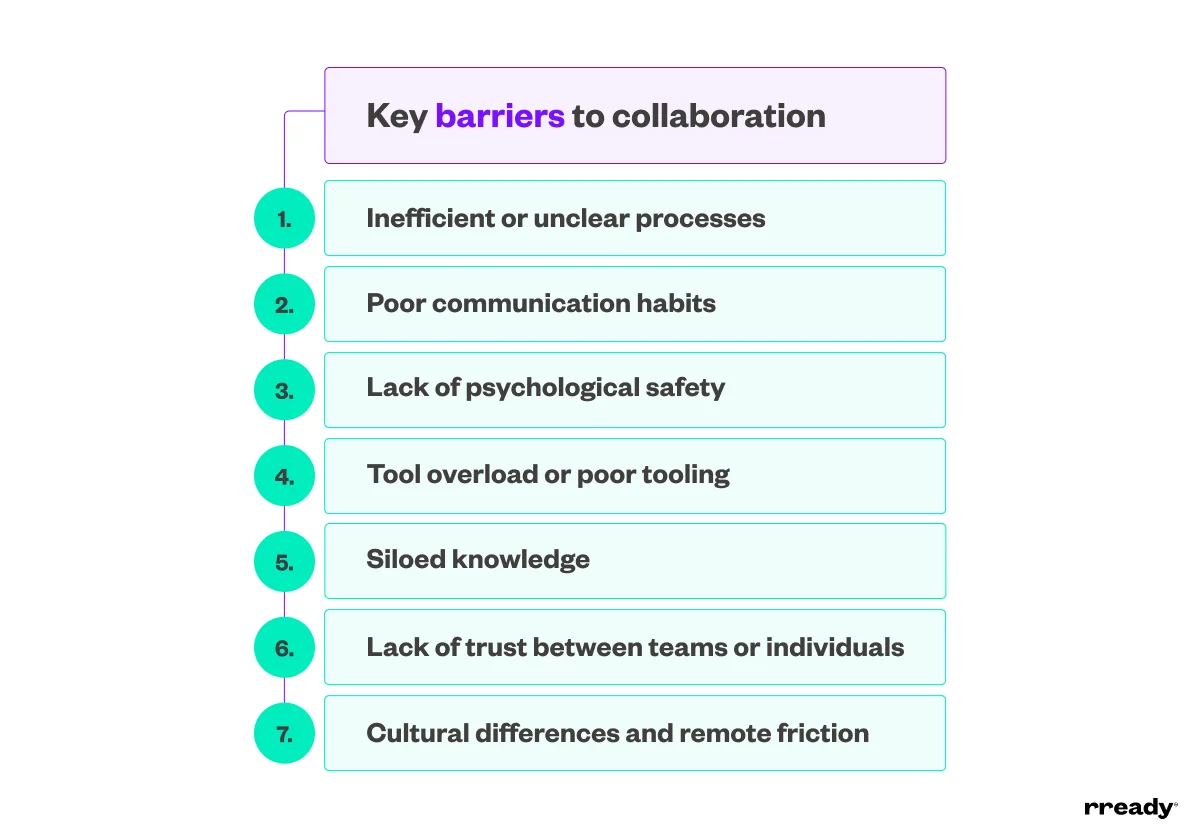
Das schadet jedem Team, trifft das Ideenmanagement aber besonders hart. Ideen brauchen Input, Feedback und unterschiedliche Perspektiven, um ihr volles Potenzial zu entfalten.
Bei isolierten Teams verlassen Ideen selten die eigene Abteilung. Feedback fehlt, und gute Vorschläge erhalten nicht die nötige Unterstützung.
Ideenmanagement-Software löst dieses Problem durch einen gemeinsamen Bezugspunkt und Funktionen für die Zusammenarbeit:
Kommentar- und Diskussionsfunktionen halten das Feedback an einem Ort gebündelt.
Voting- und Priorisierungsfunktionen helfen, die besten Ideen hervorzuheben.
Benachrichtigungen und Updates halten alle Beteiligten auf dem Laufenden.
Abteilungsübergreifende Sichtbarkeit öffnet Ideen für das gesamte Unternehmen.
3. Keine Ideen mehr, die in der Warteschleife stecken
Ideen zu haben ist der erste Schritt. Zu entscheiden, was damit geschieht, der zweite.
Hier kommt die Ideenbewertung ins Spiel.
In dieser Phase werden Ideen auf Basis von Faktoren wie Wirkung, Machbarkeit und Relevanz geprüft, verglichen und priorisiert. So trennen Sie Ideen mit echtem Potenzial vom Rest.
Ideenmanagement-Software vereinfacht diesen Prozess durch definierte Workflows, mit denen Sie Ideen bewerten, einstufen und weiterleiten können.
Dieser strukturierte Ansatz führt zu schnelleren Entscheidungen, weniger Rückstau und einem klaren Weg von der Idee zur Umsetzung.
4. Keine Bauchentscheidungen mehr
Entscheidungen ohne Daten sind ein Risiko – besonders bei neuen Ideen. Schließlich investieren Sie Zeit, Budget und Ressourcen. Ein bloßes Bauchgefühl reicht dafür nicht aus.
Erfolgreiche Unternehmen setzen auf datengestützte Entscheidungen. Sie ermöglichen es, Ideen objektiv anhand vordefinierter Kriterien statt nach persönlicher Meinung zu bewerten.
Ideenmanagement-Software liefert Ihnen die nötigen Daten.
Das geschieht durch:
Verfolgen der Interaktion (z. B. Kommentare und Stimmen) zu einzelnen Ideen.
Bewerten und Vergleichen von Ideen nach Machbarkeit oder erwartetem Nutzen.
Erkennen von Trends bei Einreichungen, um wiederkehrende Themen zu identifizieren.
Statt zu raten, nutzen Sie Fakten. Das erleichtert die Priorisierung der Ideen, die Ihr Unternehmen wirklich voranbringen.
5. Keine eindimensionalen Ideen mehr
Kreativität braucht Freiraum und gedeiht nicht in starren Prozessen.
Viele Arbeitsumgebungen sind jedoch genau darauf ausgerichtet. Sie zwingen Mitarbeiter oft dazu, sich auf die reine Ausführung statt auf die Ideenfindung zu konzentrieren.
Das bedeutet: Abgabefristen einhalten, Prozesse befolgen und viel Zeit in Meetings oder deren Vorbereitung verbringen.
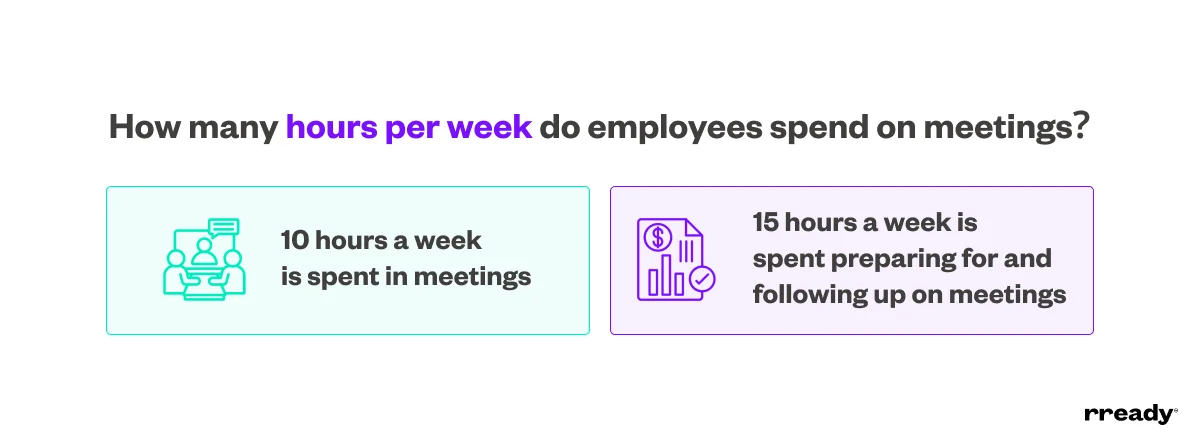
Für kreatives Denken bleibt da kaum Platz.
Ideenmanagement-Software schafft die Voraussetzungen für kreativere und vielfältigere Ideen:
Ideen Raum zur Entwicklung geben, anstatt sofortige Perfektion zu verlangen.
Ideen aufeinander aufbauen lassen, um verschiedene Perspektiven zu kombinieren.
Muster und Trends erkennen, um größere Chancen frühzeitig zu nutzen.
Kontinuierliche Ideenfindung fördern, statt nur auf punktuelle Events zu setzen.
Eine sorgfältig ausgewählte Ideenmanagement-Software hilft Unternehmen, starre Abläufe durch offenes, flexibles Denken zu ersetzen.
6. Keine ungehörten Mitarbeiter mehr
Oft mangelt es Mitarbeitern nicht an Ideen – sie haben nur gelernt, diese nicht mehr zu teilen.
Vielleicht wurden sie in der Vergangenheit ignoriert. Irgendwann stellt sich die Frage: Warum überhaupt die Mühe machen?
Das betrifft nicht nur das Ideenmanagement.
Mitarbeiterengagement ist eine globale Herausforderung. Berichten zufolge sind nur 20 % der Mitarbeiter engagiert bei der Arbeit. 64 % sind nicht engagiert, während 16 % aktiv unbeteiligt sind.
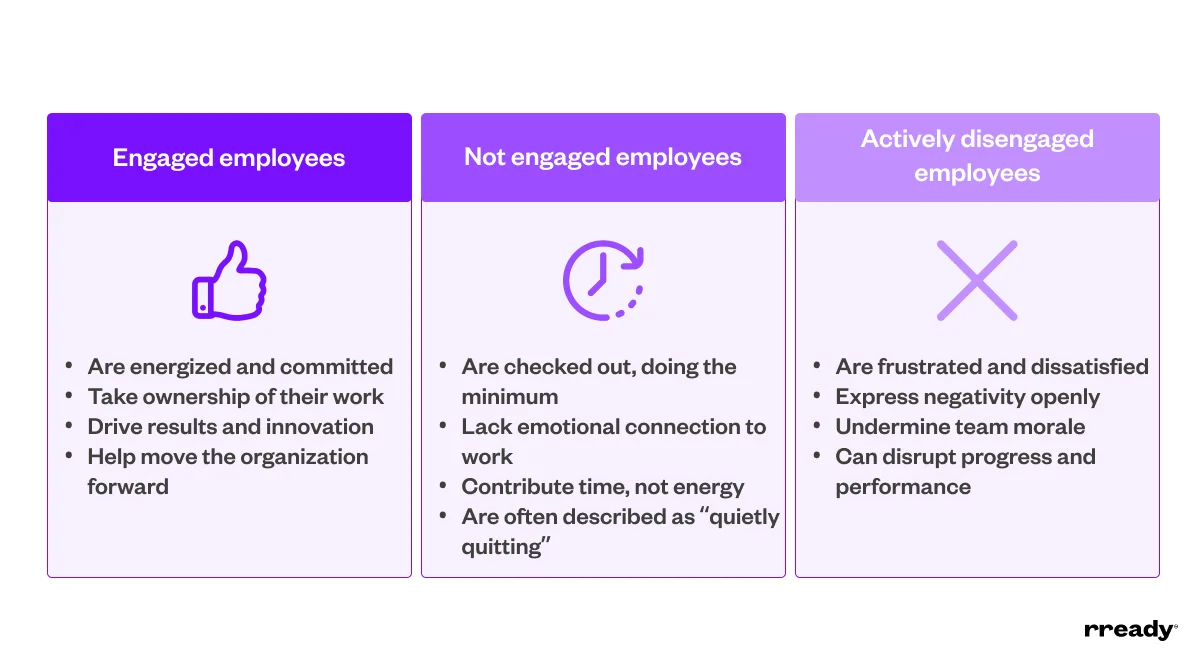
Das ist viel ungenutztes Potenzial.
Ideenmanagement-Software ist ein wichtiger Schritt, da sie das Teilen von Ideen einfach und für jeden zugänglich macht.
Den echten Unterschied macht jedoch das, was danach passiert:
Sichtbare Fortschritte zeigen, dass Ideen geprüft und ernst genommen werden.
Transparente Bewertungsprozesse machen Entscheidungen nachvollziehbar und fair.
Feedbackschleifen stellen sicher, dass Mitarbeiter wissen, warum eine Idee nicht weiterverfolgt wurde.
Anerkennungsfunktionen heben Beiträge hervor und honorieren Engagement.
Wenn Ideen nicht mehr im Nichts verschwinden, sehen Mitarbeiter, dass ihr Beitrag zählt. Das motiviert sie, sich wieder einzubringen.
7. Keine chaotischen Innovationsprozesse mehr
Wenn das Ideenmanagement Teil eines größeren Innovationsprozesses ist, wird es ohne Struktur schnell unübersichtlich.
Ideen kommen aus verschiedenen Abteilungen, werden unterschiedlich bewertet und gelangen unreif in die nächste Phase. Das führt zu Zeitverlust bei der Umsetzung.
Ideenmanagement-Software verhindert diese Ineffizienzen. Sie macht den ersten Teil der Innovations-Pipeline strukturiert, transparent und messbar.
Ideen starten so deutlich ausgereifter in die Umsetzung, was das gesamte Innovationsergebnis verbessert.
8. Keine einmaligen Ideen-Kampagnen mehr
Viele Unternehmen behandeln die Ideenfindung wie ein Event. Ein Workshop hier, eine Kampagne dort, vielleicht eine jährliche „Innovationswoche“.
Für kurze Zeit sprudeln die Ideen, danach schläft das Thema wieder ein.
Ohne ein dauerhaftes System hängen Ideen von Timing, Energie oder dem Druck des Managements ab. Lässt der Fokus nach, geht auch der Schwung verloren.
Mit einer Ideenmanagement-Software wird die Ideenfindung dagegen Teil des Arbeitsalltags.
Das bedeutet in der Praxis:
Permanente Ideensammlung sorgt für stetigen Input, nicht nur während einer Kampagne.
Dauerhafte Sichtbarkeit verhindert, dass Ideen nach der Einreichung in Vergessenheit geraten.
Konsistente Prozesse machen das Ideenmanagement zu einem wiederholbaren Standard.
Eine Kultur der kontinuierlichen Verbesserung verwandelt kleine Ideen in stetigen Fortschritt.
Statt kurzer Aktionsphasen etablieren Sie einen Rhythmus, in dem Ideen dauerhaft fließen.
In 7 Schritten zu den Vorteilen einer Ideenmanagement-Software
Die Software allein reicht nicht aus. Sie benötigen die passende Struktur, klare Verantwortlichkeiten und eingespielte Prozesse.
Die folgende Tabelle zeigt die sieben wichtigsten Schritte für ein erfolgreiches Ideenmanagement.
Schritt | Beschreibung | Bedeutung |
1. Fokus definieren | Setzen Sie ein klares Ziel für das System (z. B. Prozessoptimierung, Kostensenkung, neue Produkte). | Richtet Beiträge an den Unternehmenszielen aus und vermeidet unpassenden Input. |
2. Verantwortung zuteilen | Bestimmen Sie Verantwortliche für die Systempflege und das Ideenmanagement. | Sichert die Verbindlichkeit und hält den Prozess im Fluss. |
3. Bewertungskriterien festlegen | Definieren Sie, wie Ideen bewertet werden (z. B. Machbarkeit, Nutzen, Relevanz). | Schafft Konsistenz und stärkt das Vertrauen in Entscheidungen. |
4. Die richtige Plattform wählen | Wählen Sie eine Software, die Ihre Workflows unterstützt und zu Ihren Tools passt. | Ermöglicht Skalierbarkeit, Transparenz und einfache Nutzung. |
5. Teilnahme einfach machen | Stellen Sie sicher, dass jeder schnell und hürdenfrei Ideen einreichen kann. | Erhöht die Beteiligung und baut Hürden beim Teilen ab. |
6. Kontinuierlich Feedback geben | Kommunizieren Sie transparent, was mit den Ideen passiert – ob angenommen oder nicht. | Hält Mitarbeiter engagiert und sichert die Transparenz. |
7. Beiträge anerkennen und belohnen | Würdigen Sie wertvolle Ideen durch Anerkennung oder gezielte Anreize. | Sichert die dauerhafte Teilnahme und schafft langfristig Dynamik. |
Anreize – sowohl finanzieller als auch nicht-finanzieller Art – sind entscheidend, um das Ideenmanagement mit den Unternehmenszielen zu verknüpfen. Sie fördern das Verhalten, das echte Ergebnisse bringt.
Für maximalen Erfolg müssen diese Anreize jedoch richtig strukturiert sein.
Erfahren Sie mehr dazu und laden Sie das Innovation Incentive Playbook herunter.
Darin zeigen wir Ihnen, wie Sie:
förderungswürdige Verhaltensweisen identifizieren.
Anreizsysteme passend zu Ihrer Strategie und Kultur entwickeln.
einen fairen und transparenten Prozess aufbauen, dem Mitarbeiter vertrauen.
typische Fehler vermeiden, die den Innovationsschwung bremsen.
Wie rready Ihnen hilft, die Vorteile einer Ideenmanagement-Software voll zu nutzen
Selbst mit optimalen Prozessen bremst ein unpassendes Tool Ihr Team aus und senkt die Akzeptanz.
Mit der Ideenmanagement-Lösung von rready müssen Sie keine verschiedenen Tools kombinieren oder mühsam nach fehlenden Funktionen suchen.
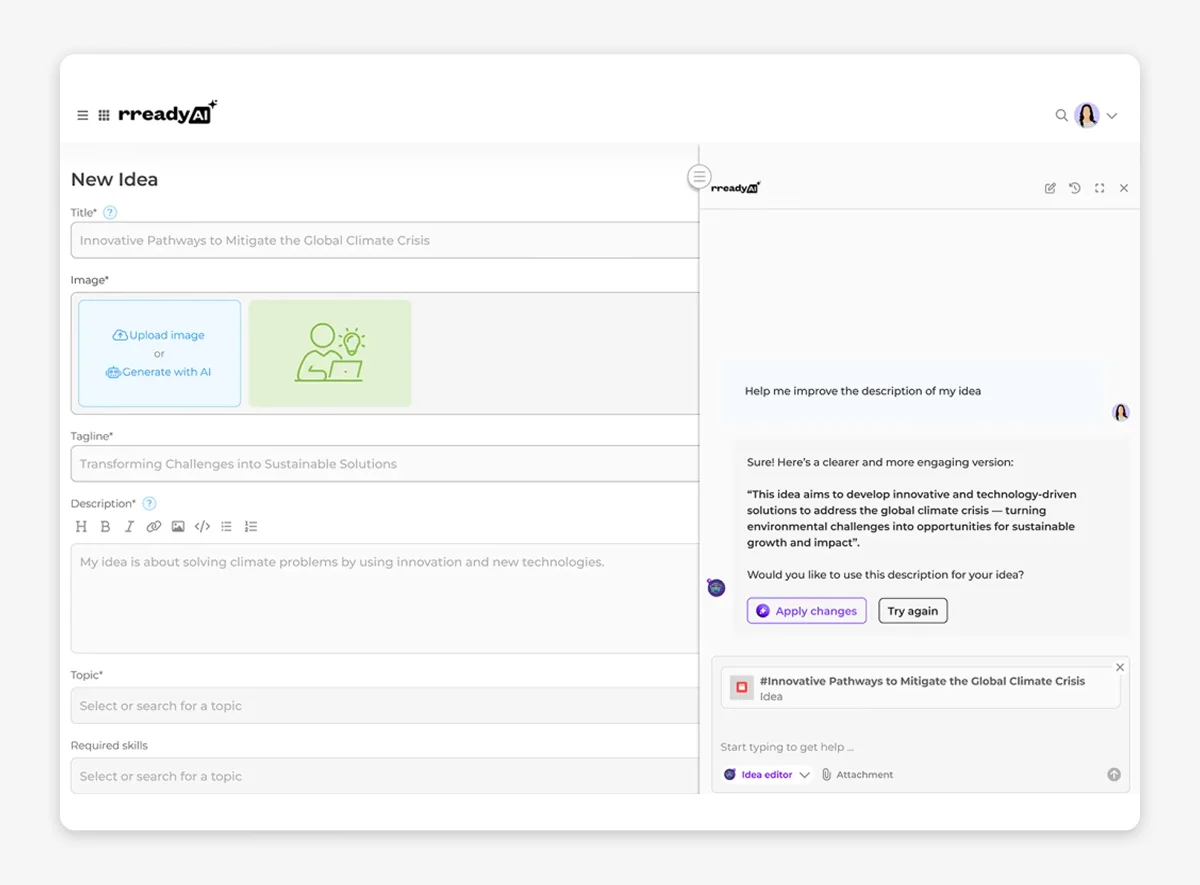
Sie vereint alles Wichtige an einem Ort:
Zentrales Ideenmanagement: Alle Ideen liegen in einer strukturierten Umgebung. Sie können sortiert, gefiltert und bearbeitet werden. Teams suchen weniger und bauen schneller auf Vorhandenem auf.
Nutzerfreundliches Design für hohe Akzeptanz: Eine intuitive Oberfläche senkt die Einstiegshürde. So wird die Ideenfindung zum Teil des Alltags, nicht zur Zusatzaufgabe.
Integrierte Kollaborations-Tools: Kommentare, Reaktionen und geteilte Feeds binden die richtigen Personen frühzeitig ein. Das sorgt für ausgereiftere Ideen und weniger Missverständnisse.
Strukturierte Bewertungsprozesse: Eigene Phasen, Scoring-Modelle und klare Kriterien sichern eine konsistente Bewertung. Entscheidungen können so leichter getroffen und begründet werden.
Daten und KI-gestützte Einblicke: Reports, Dashboards und KI-Bewertungen helfen Ihnen, Muster zu erkennen, Potenziale aufzudecken und fundiert zu priorisieren.
KI-gestützte Ideenverfeinerung: Integrierte Copilots unterstützen beim Formulieren, Ausbauen und Strukturieren von Ideen, bevor diese an die Entscheider gehen.
Transparentes Tracking und Feedback: Klare Status-Updates und sichtbare Fortschritte stärken das Vertrauen in den Prozess und halten die Ideengeber motiviert.
End-to-End-Prozesstransparenz: Ideen lassen sich lückenlos über alle Phasen hinweg verfolgen. Das verringert Reibungsverluste im Team und vermeidet Engpässe.
Kampagnen und dauerhafte Ideengenerierung: Nutzen Sie gezielte Initiativen bei gleichzeitig kontinuierlichem Ideenfluss, um nicht nur von Einmal-Aktionen abhängig zu sein.
Nahtlose Integration in Ihre IT-Landschaft: Direkte Schnittstellen zu Systemen wie SAP oder Salesforce binden das Ideenmanagement nahtlos in bestehende Workflows ein.
Mit diesen Funktionen unterstützt rready Sie dabei, ein Ideenmanagementsystem aufzubauen, das Ihr Unternehmen spürbar voranbringt.
Möchten Sie wissen, wie das für Ihr Team aussehen kann?
Kontaktieren Sie uns. Wir analysieren gemeinsam Ihre aktuelle Situation, Ihre Herausforderungen und ungenutzte Potenziale in Ihrem Ideenmanagement.
Wir zeigen Ihnen, wie Sie mit rready Struktur, Klarheit und neue Dynamik in Ihre Ideenprozesse bringen.

Mehr erfahren
8 Vorteile von Ideenmanagement-Software
Entdecken Sie die Vorteile von Ideenmanagement-Software: Ideen erfassen, Zusammenarbeit verbessern und Mitarbeiterideen in echten Geschäftserfolg umsetzen.

9 Methoden zur Ideenfindung für Unternehmen im Jahr 2026
Die besten Ideenfindungstechniken, um Kreativität zu fördern, Denken zu strukturieren und Ideen in umsetzbare Ergebnisse für Ihr Team zu verwandeln.

Finanzielle vs. nichtfinanzielle Anreize bei Innovationen
Erfahren Sie, wie finanzielle und nichtfinanzielle Anreize Innovation fördern und Mitarbeitende motivieren, Ideen einzubringen und engagiert zu bleiben.