12 Brand Innovation Examples: Turn Insights into Action
Discover brand innovation examples that show how you can turn insight into meaningful action and shape what your brand stands for in practice today.


Innovation strategies come in many forms, and each plays a different role in helping companies stay relevant.
Product innovation keeps your offering competitive, process innovation makes the organization faster and smarter, and business model innovation unlocks new growth.
But brand innovation does something else entirely: it connects innovation to meaning.
This strategic approach turns insights from customers, employees, and broader cultural, technological, and social changes into new ways a brand behaves, delivers value, and is experienced. It’s about what you stand for and how consistently you show up, not just your products and services.
With that in mind, let’s take a closer look at 12 brand innovation examples that show how the right insight can pave the way from idea to action and create meaningful impact along the way.
Key takeaways
Brand innovation connects insight to meaning, not just output
Across all brand innovation examples, the strongest brands did more than launch new products or features. They translated insights into consistent behaviors, experiences, and signals that reshaped what the brand stood for in people’s lives.The best insights come from many places, but impact depends on follow-through
Employees, customers, data, and technology all surfaced valuable signals. What separated lasting impact from one-off ideas was having a clear path to evaluate, prioritize, and act on those insights.Community and participation can become scalable innovation engines
LEGO, Starbucks, and Nike show that inviting customers and communities into the process works when participation is structured, expectations are clear, and feedback loops are visible.Data becomes brand-defining when it shapes decisions, not just dashboards
Spotify, Netflix, Amazon, and DHL embed data into how decisions were made and experienced. Over time, personalization, reliability, and competitiveness became expected brand traits, not hidden capabilities.Systems turn insight into repeatable brand innovation
Ideas alone aren’t enough. To move from insight to action at scale, organizations need infrastructure. rready, for example, helps teams capture ideas, align them to the right process, and drive them through to measurable outcomes, so brand innovation doesn’t rely on luck or heroics.
1. Dove: Turning representation into responsibility
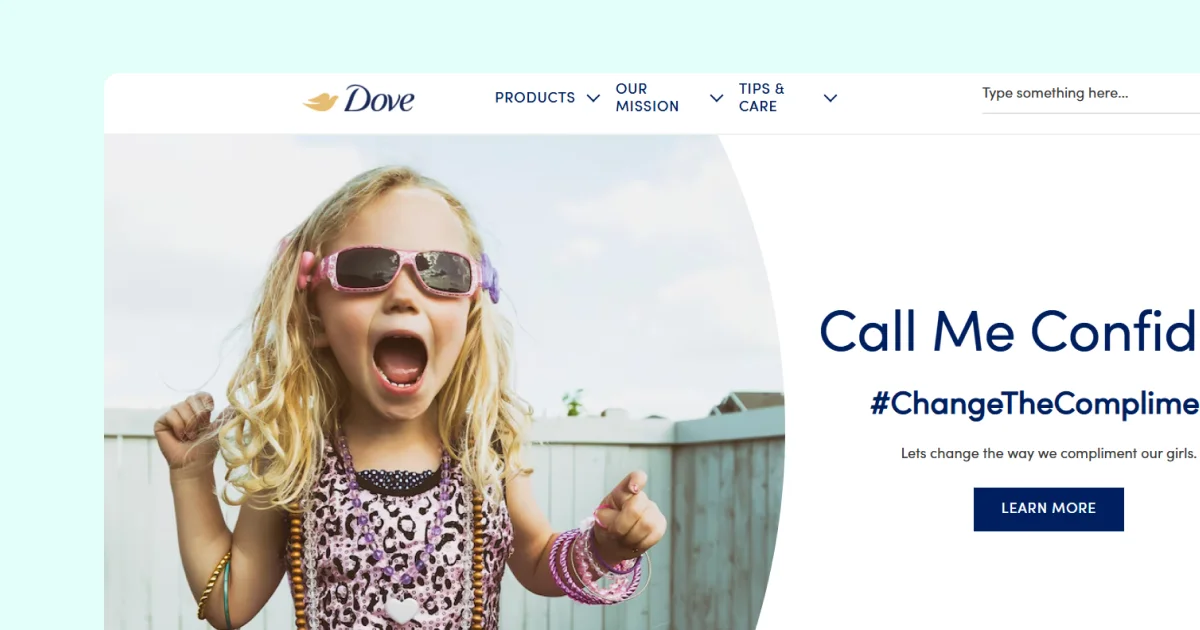
Dove, a global personal care brand, saw a clear disconnect: the women shown in beauty advertising didn’t match how most women actually looked or saw themselves. Research and live feedback pointed to the same issue: narrow beauty standards were undermining confidence rather than building it.
The brand acted by changing what beauty advertising looked like in practice.
In 2004, Dove launched the Real Beauty campaign, featuring women of different ages, body types, and backgrounds and putting unretouched images front and center.
That choice became a long-term commitment, extending into education programs like the Dove Self-Esteem Project, which has reached 136 million people.
The impact was a lasting shift in brand perception, positioning Dove around confidence and inclusion in a category long dominated by idealized imagery.
2. LEGO: Using the community as an innovation engine
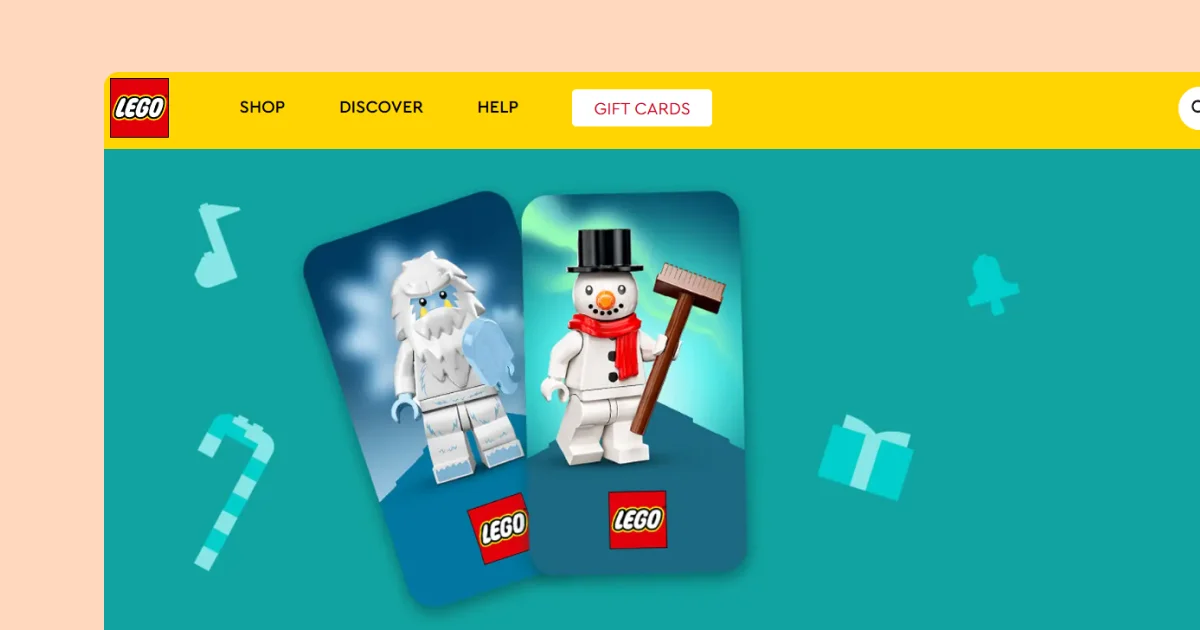
LEGO, the iconic toy company behind the interlocking brick, noticed something important long before it became a strategy: Its most passionate fans were designing, modifying, and campaigning for new sets, not just buying existing ones.
Instead of treating this as a fandom, LEGO built a system around it.
In 2008, the brand launched LEGO Ideas, a platform where fans can submit concepts, rally community support through voting, and see selected ideas turned into official LEGO sets.
The process combines grassroots creativity with internal review, ensuring ideas fit LEGO’s standards while keeping their original spark intact.
Thanks to this approach, LEGO Ideas became a repeatable pipeline for product development, while reinforcing LEGO’s identity as a brand that builds with its community, not just for it.
3. Spotify: Transforming listening data into self-expression
Research shows that 71% of consumers expect personalized interactions, such as tailored product recommendations, relevant communications, and experiences that reflect their preferences and past behavior. When brands fail to deliver this level of relevance, 76% consumers feel frustrated.
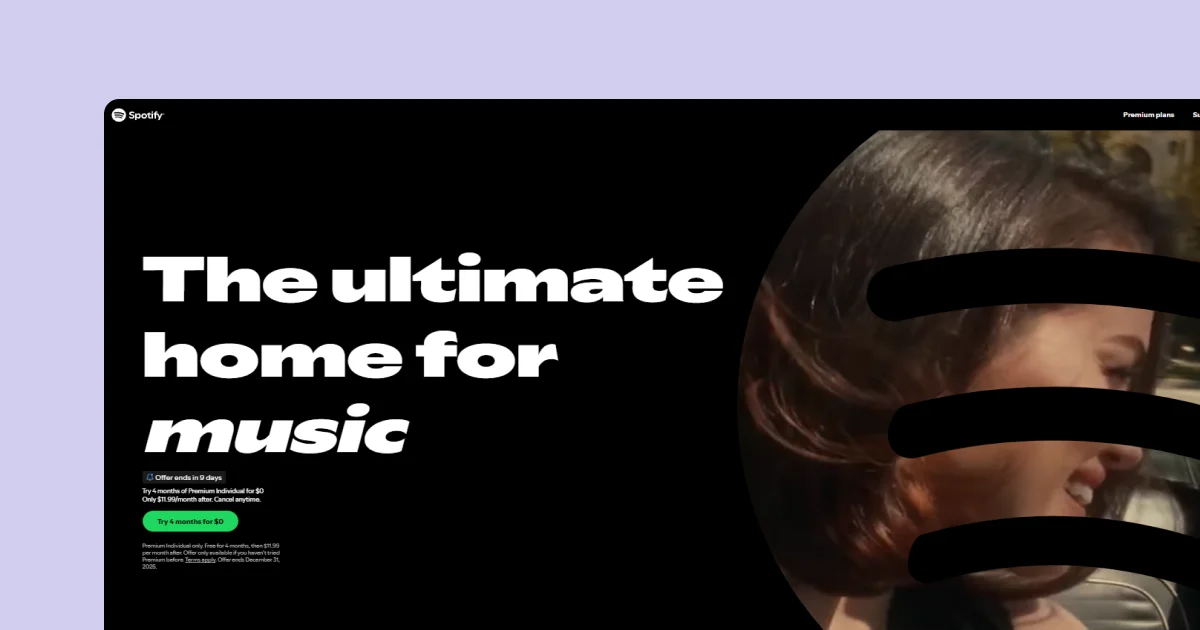
Spotify, the music streaming giant, understood that personalization in music shouldn’t stop at recommendation accuracy alone. The real opportunity lay in how people use music to express identity.
So, in 2016, Spotify launched Spotify Wrapped, transforming individual listening data into a personalized, visual year-in-review designed to be shared.
Over time, Wrapped became a recurring cultural moment, with the 2025 edition engaging over 200 million users in roughly 24 hours.
For Spotify, the payoff was clear: personalization became a recognizable brand signature and set a pattern other major brands would later follow.
4. Microsoft Xbox: Building inclusive play from the inside out
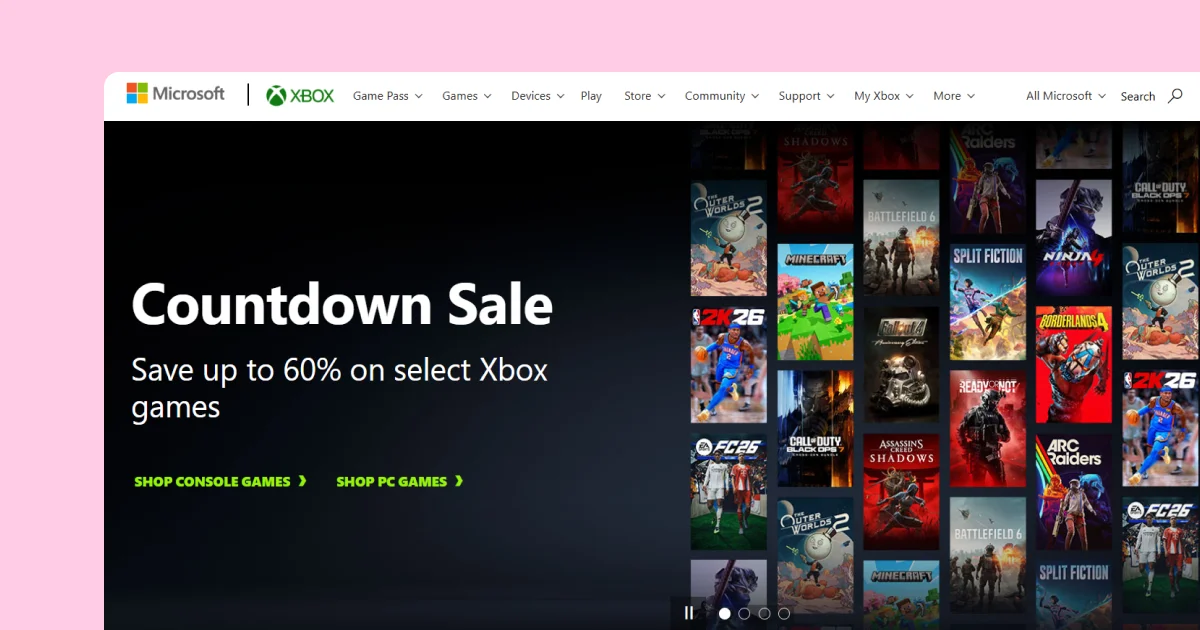
This brand innovation example starts within the company, with Xbox designers and engineers recognizing that standard controllers excluded millions of gamers with limited mobility.
So, they took action.
They began working closely with accessibility organizations and disabled gamers to design the Xbox Adaptive Controller, rethinking how inputs, layout, and flexibility could work for a wider range of players.
The same thinking carried through to the packaging, which was redesigned so the controller could be opened independently and without tools.
The result extended beyond the product itself.
The Adaptive Controller set a new reference point for inclusive hardware and strengthened Xbox’s brand as one shaped by employee-led innovation, thoughtful collaboration, and a commitment to designing for more people from the start.
Pro tip
Employee insight scales when people have the tools to act on it.
rready’s Idea Management platform helps organizations capture, evaluate, and develop employee ideas in a clear and structured way.
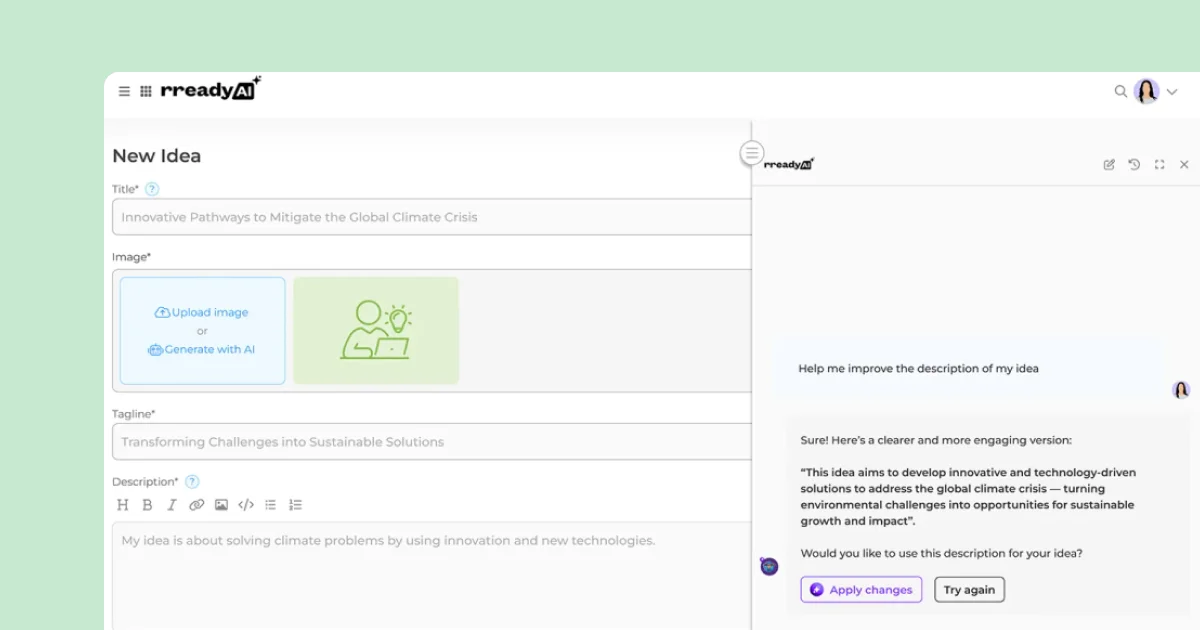
From idea submission and collaboration to validation, tracking, and reporting, it supports the full innovation lifecycle, making it easier for employee-driven insights to turn into real outcomes across the organization.
5. Patagonia: Designing for longevity over consumption
Expectations around sustainability have shifted, with as many as 88% of consumers wanting brands to help them lead a more sustainable lifestyle.
At Patagonia, a popular outdoor clothing and gear company, this shift aligned with internal beliefs.
Employees understood that their core audience valued durability and environmental responsibility and often felt conflicted about buying new gear.
So, the company shifted its focus from selling more to making products last longer.
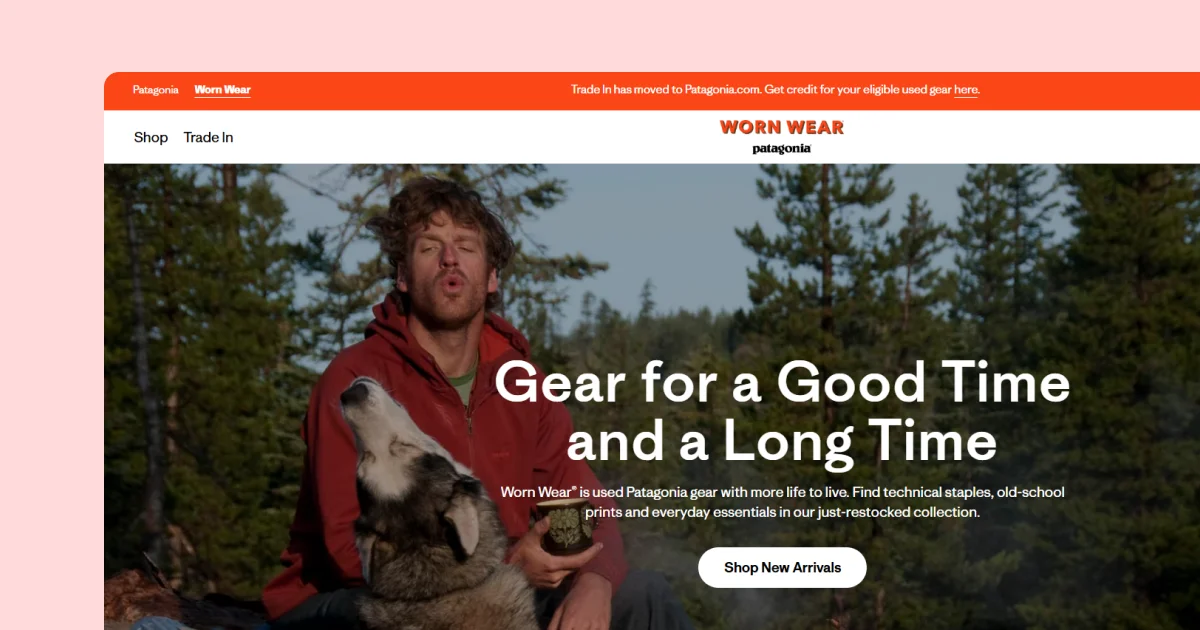
Through the Worn Wear program, Patagonia created systems for repair, trade-in, and resale, reinforcing the message with campaigns that openly questioned overconsumption.
This responsible innovation program strengthened trust, deepened loyalty, and showed that helping customers buy less can still build a resilient, values-led business.
6. Domino’s: Owning criticism to rebuild trust
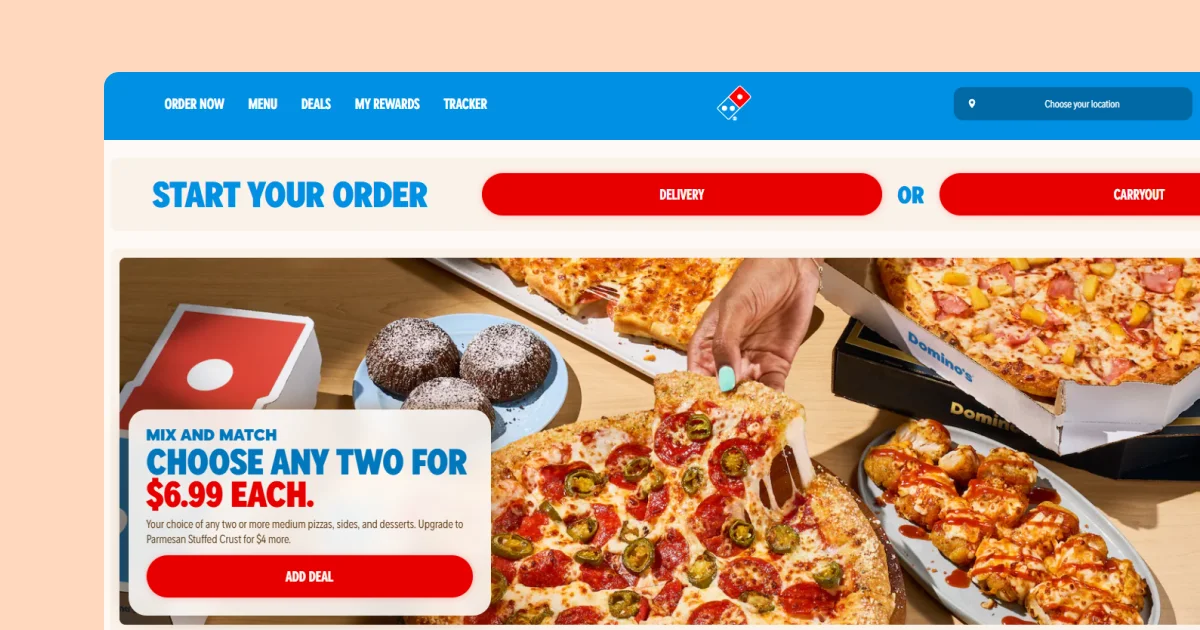
Domino’s, a prominent global pizza chain, didn’t need too much research to spot the issue, as customers were already spelling it out online. Loudly. Reviews described the pizza as bland and forgettable, and the brand’s focus on speed had come at the cost of quality and trust.
Rather than deflect or reframe, Domino’s chose to face the criticism head-on.
In 2009, it rebuilt its core pizza recipe and made the change public through the Pizza Turnaround campaign, featuring real customer complaints and unfiltered reactions from employees.
The change reshaped more than the product itself.
The campaign also:
Reset perceptions of the brand
Sparked a 14.3% sales growth in the first quarter of 2010
Marked the start of a broader transformation
More importantly, the transformation in question was rooted in accountability and a willingness to change course when customers say it’s time.
7. Starbucks: Scaling customer ideas into everyday improvements
Starbucks, the global coffeehouse chain that helped define modern café culture, saw an opportunity in the steady stream of customer ideas flowing through stores and online. Suggestions ranged from small fixes to bigger experience improvements, and many were actionable.
As a result, Starbucks introduced My Starbucks Idea, a dedicated platform to collect, surface, and act on those ideas. Customers could submit suggestions, vote, and see which ones moved forward.
Over time, the platform attracted more than 150,000 ideas, leading to concrete outcomes like free in-store Wi-Fi, splash sticks, and new menu items.
The impact of this brand innovation example was practical and visible. Starbucks strengthened its community ties and reinforced its reputation as a brand that builds better experiences by listening and following through.
8. Coca-Cola: Building mass customization from a team of six
Coca-Cola, one of the world’s largest beverage companies, built its brand on consistency at a massive scale. As consumer behavior started shifting toward choice and personalization, a simple question emerged: could customization work at Coca-Cola’s scale?
The answer came from a small internal team of six engineers.
Working quietly over several years, they experimented with micro-dispensing technology, adapting solutions from the medical field to deliver more than 100 drink combinations from a single machine. The result was Coca-Cola Freestyle, launched in 2009.
This machine changed how Coca-Cola learns from consumption.
Freestyle machines now generate real-time data on regional flavor preferences, shaping new bottled launches like Orange Vanilla Coke and turning customization into a lasting source of insight and innovation.
Pro tip
Big ideas don’t require big teams. They require clear ownership, the right resources, and permission to experiment.
Frameworks like rready’s KICKBOX Intrapreneurship program are designed to create exactly these conditions, combining a proven methodology, low barriers to entry, and practical tooling that helps employees move ideas forward.
By making innovation accessible, measurable, and supported, KICKBOX enables teams of any size to turn early ideas into meaningful outcomes.
9. Netflix: Letting data decide what gets made
Netflix, the global streaming platform, built its early advantage by understanding viewing behavior at a granular level.
Internal data science teams found that broad genres like “comedy” or “drama” were too simplistic to explain what people actually watched. Instead, viewing patterns pointed to specific combinations of actors, directors, and moods.
That insight reshaped how Netflix made content decisions.
The company began greenlighting original content based on clear audience patterns, such as:
Completion rates
Rewatches
Pauses
This innovative approach marked a brand-level change.
Netflix moved from distributing content to producing it with precision, helping drive an industry-leading retention rate and redefining how entertainment brands back creative bets.
10. Amazon: Embedding price competitiveness into the brand
Amazon, the global e-commerce company built on scale and speed, faced a problem that early online retail couldn’t solve manually: prices moved faster than humans could track. Shoppers compared offers in real time, and even small price gaps could trigger cart abandonment.
Internal pricing and engineering teams responded by building dynamic pricing systems that adjust prices millions of times a day based on factors like:
Demand
Competitor signals
Shopping behavior
The brand impact was structural.
Amazon trained customers to expect competitiveness by default, reinforcing trust and convenience at scale.
11. Nike: Designing from the edge to move the center
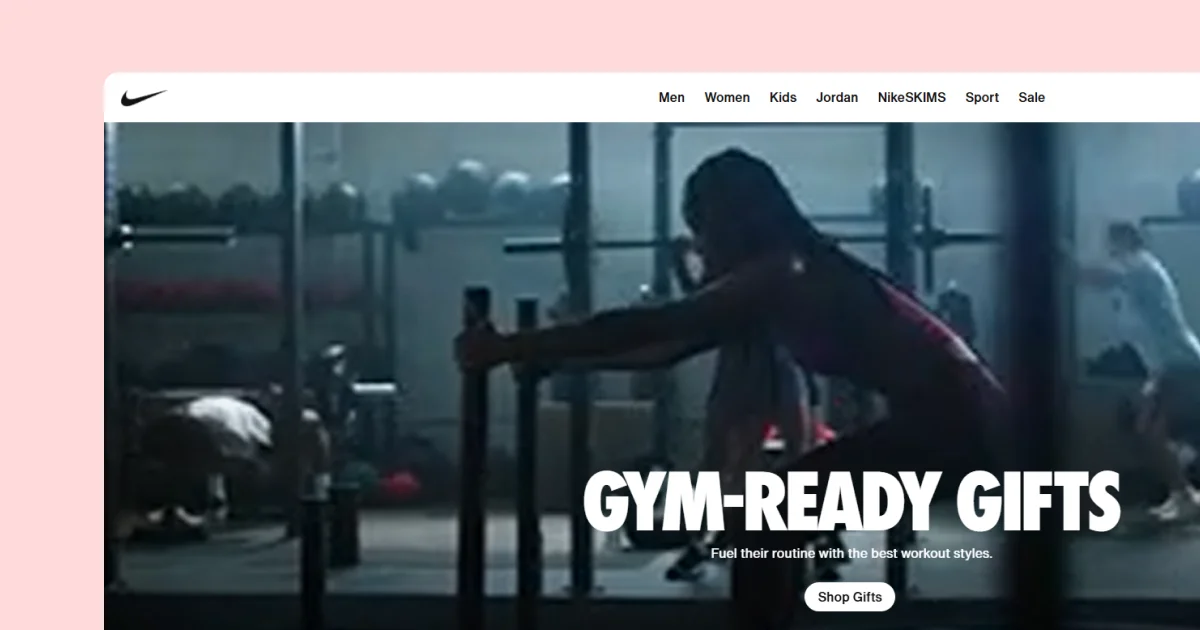
Nike, one of the most recognizable global sportswear brands, found an opportunity in a group often overlooked by mainstream footwear design: athletes with limited mobility. These athletes all shared a simple challenge: putting on and fastening shoes.
That insight led to FlyEase hands-free, easier-entry shoes developed with direct input from the disability community. Nike rethought mechanics, materials, and the entire wear experience, without sacrificing style or performance.
The result was brand innovation through inclusion.
FlyEase expanded Nike’s reach, normalized adaptive design, and reinforced the brand’s belief that performance should be accessible to all. It also proved that ideas shaped at the edges can redefine what the brand stands for at the center.
12. DHL: Engineering reliability through technology
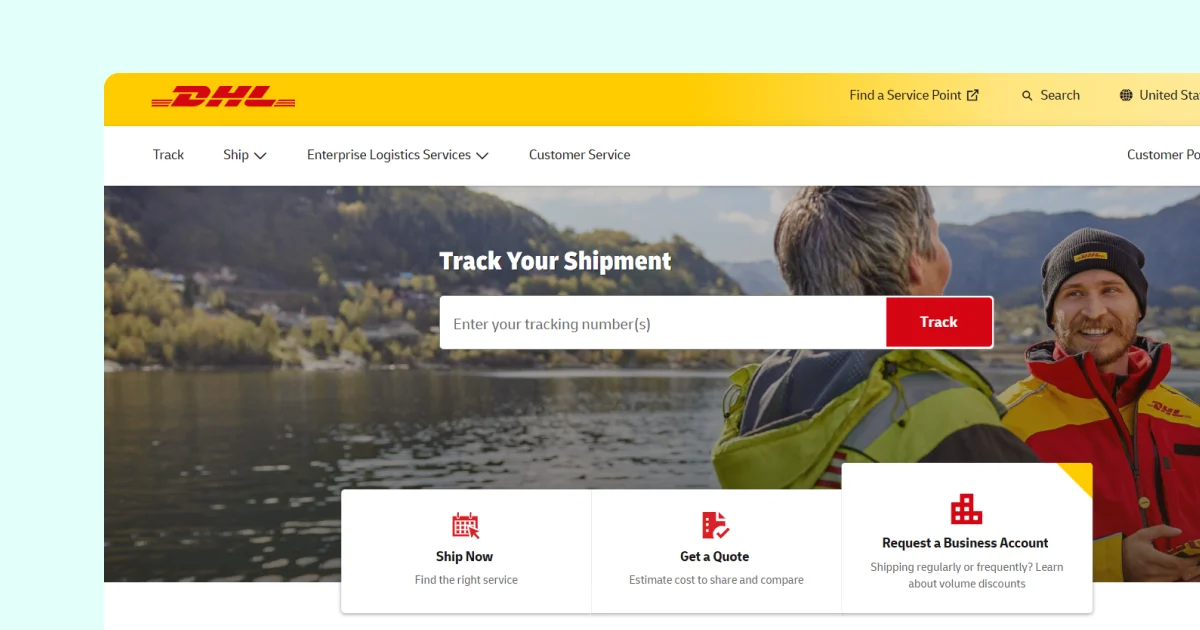
DHL, the global logistics company, identified last-mile delivery as the most complex and costly part of the shipping journey, often accounting for more than 50% of total delivery costs. But improving reliability demanded new technological capabilities, not just a few operational tweaks.
Through its Innovation Centers, DHL embedded real-time tracking, predictive analytics, and flexible delivery options into its delivery systems. These technologies increased transparency for recipients and enabled smarter routing and scheduling decisions across networks.
While this is primarily an operational transformation, it also stands as a strong brand innovation example.
The changes they introduced became part of the customer experience, shifting DHL’s brand from “fast delivery” to “delivery you can plan around.”
rready: Turning insight into action at scale
As the brand innovation examples in this article showed, insights surface everywhere: through employees, customers, data, and technology.
What determines their impact is what happens next.
That’s where rready comes in.
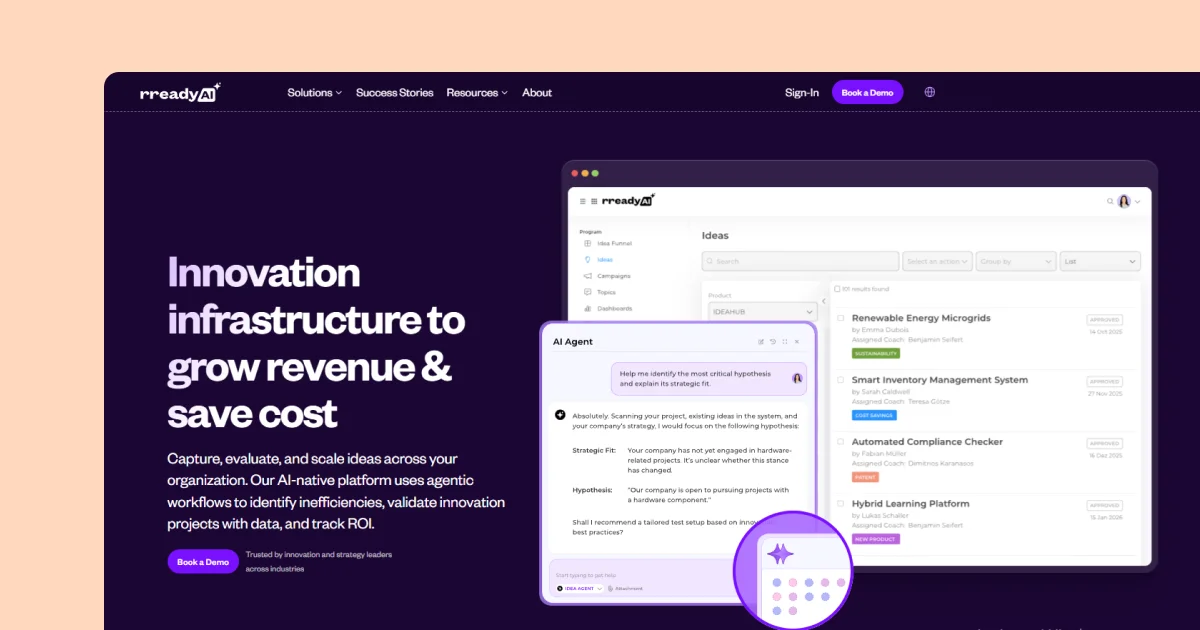
rready provides the tools to capture insights, move them through the right processes, and turn them into measurable outcomes, no matter where they start. Here’s how:
rready product | What it does | How it turns insights into action |
Captures and manages ideas from across the organization | Structures employee insight into a transparent, trackable innovation pipeline | |
Empowers employees to test and execute ideas | Gives teams the resources, guidance, and permission to move from idea to impact | |
Connects ideas to execution at portfolio level | Aligns the right process to the right idea and keeps the full funnel visible |
Thanks to an integrated AI platform, you’ll also be able to rely on AI support to create visibility for initiatives, prevent duplication, track impact, and support faster, better decisions from idea to deployment.
Brand innovation happens when insight meets execution, and when the systems behind it are rready. Book a tailored demo to see how leading companies structure innovation, and what that setup could look like for you.

Read more

5 Best Enterprise Idea Management Software Solutions [2026]
Discover the best enterprise idea management software and learn how you can capture ideas, improve collaboration, and turn insights into impact.
12 Brand Innovation Examples: Turn Insights into Action
Discover brand innovation examples that show how you can turn insight into meaningful action and shape what your brand stands for in practice today.

How to Choose Innovation Management Software in 2025
Learn how to choose the best innovation management software that fits your goals, boosts collaboration, streamlines processes, and drives growth.